In 2026, the most suitable option for you to use in combination with a high-trust residential proxy is vmlogin, whether you are a manager of multiple accounts, a data scraper, a verifier of ads, or just someone who desires impenetrable online privacy. In this configuration, the browsers will exist in separate environments while each of the profiles will be represented on the websites by the original residential IPs that are allocated exclusively to you. The following instructions are simple, straight and instructive to help you set up and protect your digital identities with your peace of mind. For quick access to the proxy service used throughout this guide, check.
Why use vmlogin with a residential proxy?
vmlogin is a privacy browser that simulates multiple machines using virtualized unique browser profiles. Each profile, in this method, contains its own isolated cookies, caches, and local storage, and hence, there are no chances of fingerprints from different accounts leaking. This is the perfect solution to the browser-side fingerprint issue.
A residential proxy, such as Proxy4U, solves the network-side issue. Instead of using traffic from data centers that are flagged, residential proxies provide you with IPs that are associated with real ISPs all over the globe. The combination of these two layers-browser isolation with vmlogin and residential IPs from trusted sources-Currently, the issue of account flags, CAPTCHA challenges, and geo-blocking is handled few companies handle. This rephrased content is not more or less than 280 characters.
What you need
- vmlogin account (3-day trial available to test)
- A Proxy4U residential proxy plan (pay-as-you-go option keeps costs low)
- Basic familiarity with browser profiles and proxy settings
Step 1 — Configure residential proxies in Proxy4U
Navigate to the proxy dashboard and select residential proxies. Then choose the desired target country where you want profiles to appear from and turn on the features that are suitable for your workflow.
- Country targeting — lock your IPs to specific countries (195+ locations available).
- Sticky sessions — keep the same IP for a set duration to reduce re-auth friction.
- Rotation interval — set how often the IP rotates (for example, every 15 minutes keeps you secure without excessive churn).
- Protocol — choose HTTP or SOCKS5 depending on your needs.
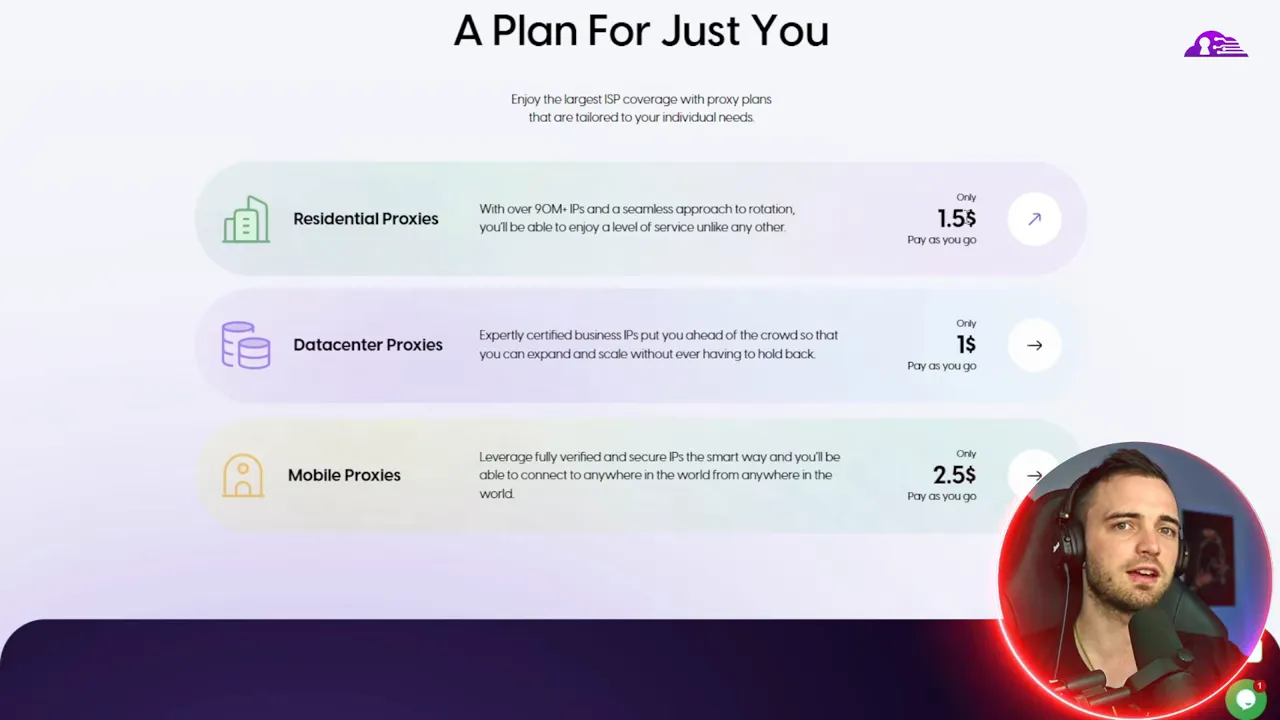
The pay-as-you-go tren?rum model offered by Proxy4U is extremely useful when you only need IPs intermittently or for tight budgets. It also, along with thousand's of IPs per location that matters a lot to the ones that are dealing with large-scale operations.
Step 2 — Create an isolated browser profile in vmlogin
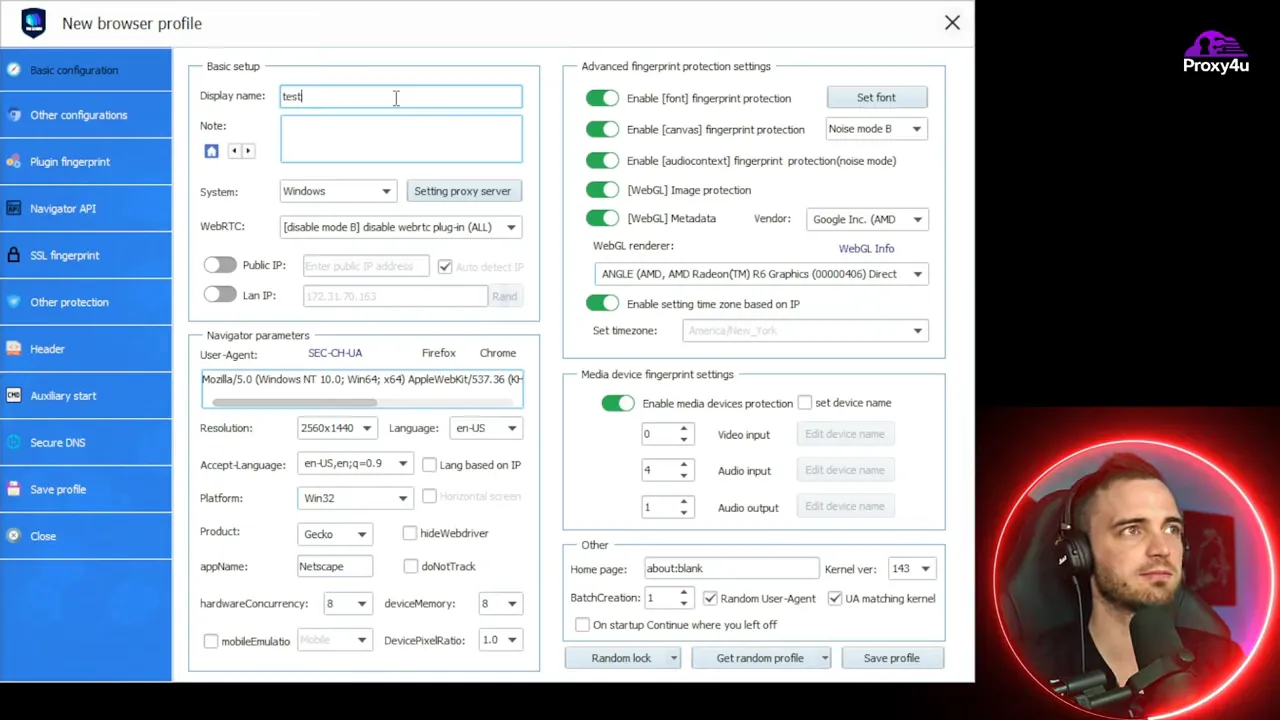
First of all, you need to run the vmlogin application and create a new browser profile. The interface appears with a lot of options, but you can just get started with the least number of changes:
- Click "New browser profile" and enter a descriptive display name (for example: "web-scrape-NL").
- Optional: add notes to track the profile purpose or account details.
- Keep default fingerprint settings unless you need advanced customization.
Step 3 — Connect Proxy4U to your vmlogin profile
You do not have to manually enter each individual proxy field; just copy the proxy details which are given by Proxy4U, and then paste them into the proxy settings inside vmlogin. vmlogin’s built-in paste feature is of help to you as it auto-populates host, port, login, and password fields.
Steps:
- From the proxy dashboard copy the proxy string or details (make sure country and sticky options are correct).
- In the vmlogin profile click "Settings" → "Proxy server," enable it and select "Paste proxy info."
- Save the proxy settings and then save the profile.
- Start the profile, open a new window, and verify the location by visiting a search engine or geo-check site. You should see the targeted country and language.
Best practices when using vmlogin and residential proxies
- Match fingerprint and location: Ensure language, timezone, and viewport match the proxy country to avoid mismatches that could trigger alarms.
- Use sticky sessions for account work to avoid frequent re-logins; rotate only when necessary.
- Limit profile cross-use: Keep each profile dedicated to a single account or task to prevent data leakage between identities.
- Monitor flags and CAPTCHAs: If a profile starts getting frequent challenges, move to a new proxy or adjust fingerprint settings.
Who benefits most?
It is a perfect configuration for these who conduct affiliate marketing, sell goods through e-commerce, protect brand integrity, verify advertising, manage social media, and any individual who is running numerous accounts or carrying out large-scale scraping while being required to have a higher level of privacy and less friction.
Final checklist before you go live
- Profile name, notes, and purpose are set in vmlogin.
- Proxy country and sticky/rotation settings configured in Proxy4U.
- Proxy details pasted into vmlogin and profile tested for correct location.
- Fingerprint elements (timezone, language, resolution) aligned with IP region.
Are you set to begin your journey? Test a residential proxy with Proxy4U and make your first vmlogin profile. The mix of vmlogin and a reliable residential proxy like Proxy4U gives you the ability to target real locations, browser isolation, and the flexibility to run multiple virtual "computers" on a single screen without security issues.
Proxy4U is different with its pay-per-use pricing model, extensive global coverage, and its ability to run several thousands of IPs on a single location which demonstrates it as a practical means and cost-effective solution for privacy-first operators. Proxy4U for your final reminder and direct access.
Closing thoughts
When you pair vmlogin with a high-trust residential proxy, you create a virtual space that can only be accessed by people with a specific fingerprint and no one else can use the IP-level level detection. The guidelines and examples mentioned earlier can help you implement the configuration and best practices such that flags are reduced, geo-restrictions are bypassed, and multiple identities are managed securely. If you continue to be strict with your profile hygiene and rotation policies, this setup will be a solid base for you to do secure, scalable online work.


